
Transformer quality cannot be assessed from a certificate folder assembled at the end of production. The useful question is whether the buyer receives the right evidence at each decision point—from design approval to release for shipment.
A document register is a control tool
Before manufacturing begins, the parties should agree which documents are required, who reviews them, the target submission dates and which items are prerequisites for production or shipment. This prevents important information from being buried in email and makes revision status visible.
| Stage | Typical evidence | Buyer decision |
|---|---|---|
| Design | Guaranteed particulars, drawings, terminal details, losses, impedance and accessory schedules | Confirm technical compliance and interfaces |
| Manufacturing | Approved drawings, material records, inspection plan and agreed hold points | Confirm the production basis |
| Testing | Routine test results, agreed type/special test evidence and calibrated instrument records | Assess performance against the specification |
| Shipment | Release note, packing list, preservation records, manuals and final drawings | Authorize dispatch and prepare for receipt |
Test reports need traceability
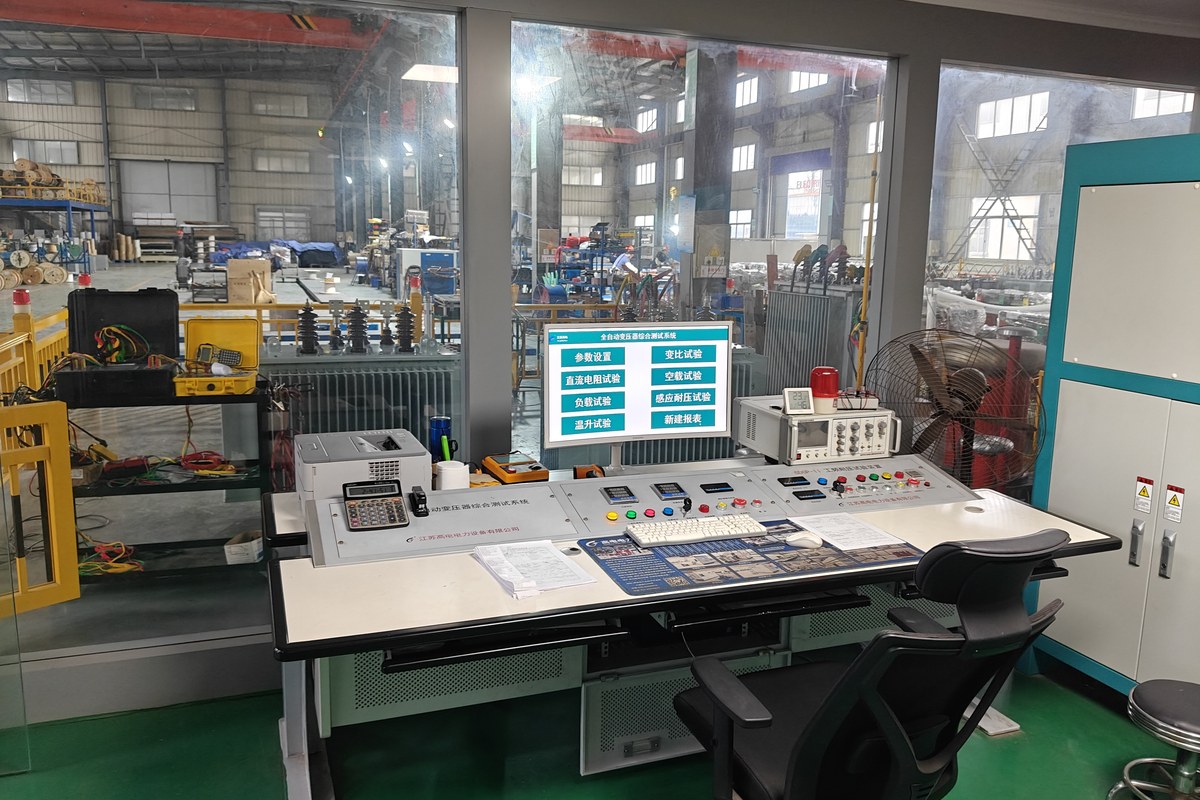
A report should identify the equipment serial number, rating, applicable standard, test method, measured values, acceptance criteria, date and responsible laboratory or inspector. Photos can support the record, but they do not replace measured results.
Three checks before release
- Consistency: ratings and serial numbers match across the nameplate, drawings, reports and packing documents.
- Completeness: every specified routine test and agreed special test has a result and acceptance reference.
- Usability: final drawings and manuals reflect the equipment that will actually arrive on site.
Apex coordinates the document register with the selected manufacturing partner and the buyer’s review team. The objective is practical: fewer unresolved comments at shipment, clearer receiving inspection and a better technical handover to the commissioning team.