
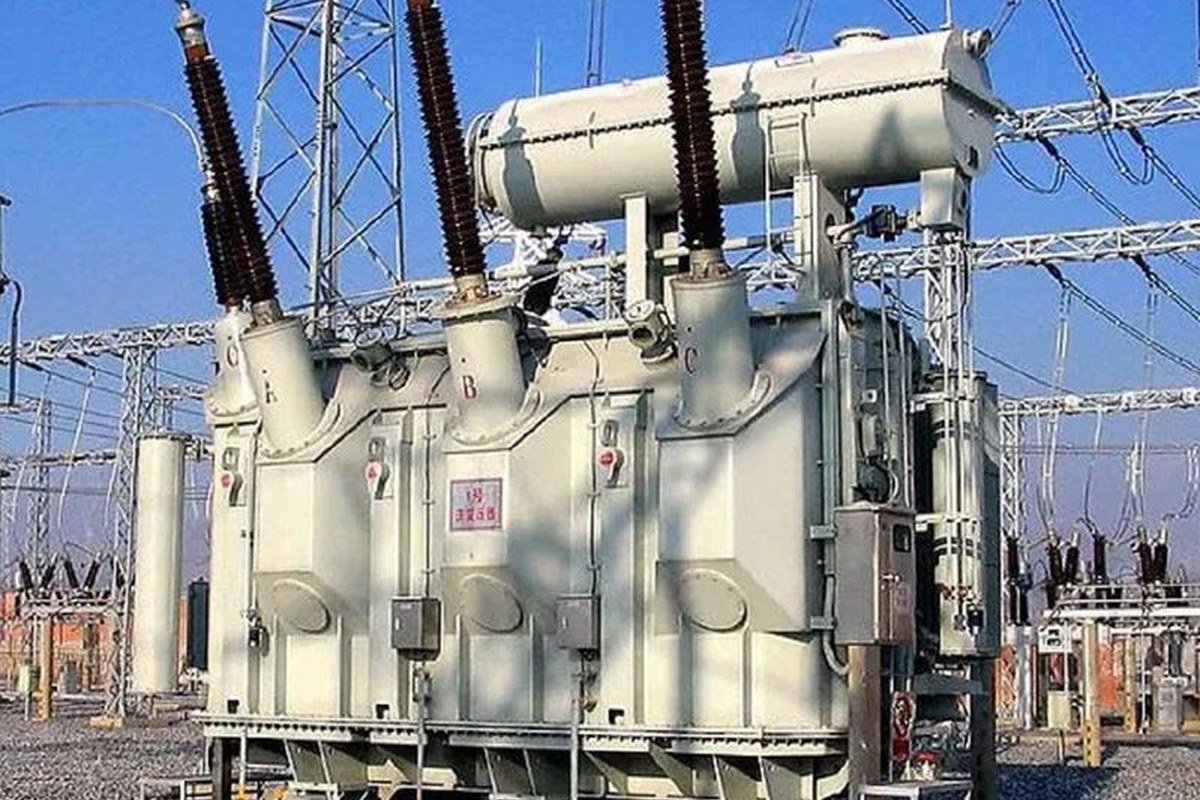
Grid reinforcement programs create demand for transformers, but higher demand alone does not define a workable purchase. The useful starting point is the duty the transformer must perform, the interfaces it must connect to and the evidence required before energization.
Demand is only the first signal
A utility or EPC team may know the required MVA and voltage ratio early. The details that control design and schedule usually arrive later: short-circuit level, impedance target, vector group, tapping range, loss evaluation, insulation coordination, neutral arrangement, cooling stages and transport restrictions. Treating those items as late clarifications can force avoidable drawing revisions.
Define the network duty
Confirm system voltages, frequency, earthing method, loading profile, harmonics, ambient conditions and expected operating modes.
Define the physical interfaces
Check terminal arrangement, cable or bus connection, foundation, fire separation, oil containment, access and the transport route to site.
Build a review path before the order
A practical procurement schedule should identify when the single-line diagram, guaranteed technical particulars, general arrangement, terminal details, protection data and foundation loads will be reviewed. This gives both buyer and supplier a controlled route from requirement to approved design.
For long-lead transformer packages, an incomplete technical baseline is usually a greater schedule risk than the drawing-review period itself.
What to send with an initial enquiry
- Rated power and loading profile
- Primary, secondary and tertiary voltages
- Applicable IEC, IEEE or project standard
- Impedance and loss requirements
- Tap range and control method
- Site altitude, ambient and seismic conditions
- Terminal and transport constraints
- Required drawings, tests and document language
When these inputs are organized early, offers become easier to compare and the selected transformer is more likely to fit the network, civil works and commissioning plan without late changes.